A
Alejo
Guest
- Thread Author
- #1
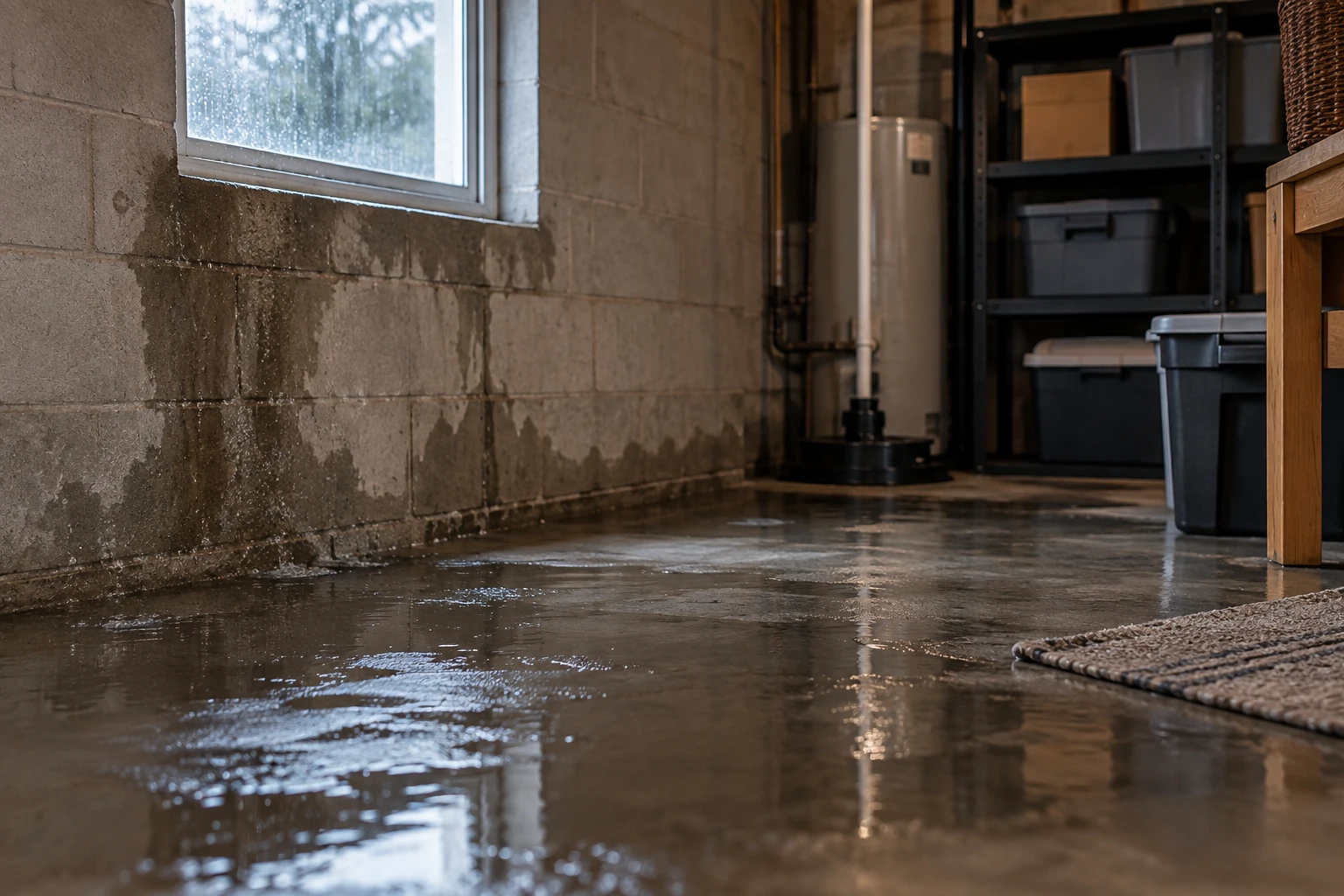
If you are dealing with basement flooding in ohio causes and what to do after a heavy rainstorm, the first signs are often the ones people dismiss: a damp corner, a musty smell, or water along the wall after a storm. A little seepage can turn into a much bigger problem faster than most homeowners expect.
In Northeast Ohio, heavy rain is only part of the story. Lake-effect snow, rapid spring thaws, and freeze-thaw cycles can saturate the ground around your foundation, while clay and loam soils in parts of Northern Indiana and Southwest Michigan hold water instead of draining it away. In older homes across Greater Cleveland, Mishawaka, Goshen, and Elkhart, block and brick foundations may already have small cracks or weak points that let water in during the next big storm.
This article will walk you through the most common causes of basement flooding in ohio causes and what to do, the warning signs to watch for, and the practical next steps that can help protect your home. You will also learn which solutions work best for different problems, when to act quickly, and how Ohio State Waterproofing helps homeowners across the region get lasting peace of mind.
Key Takeaways
- Heavy rain often exposes small foundation and drainage problems that were already there.
- Older homes in Basement Waterproofing Services are especially vulnerable if they were never waterproofed.
- Water in the basement can lead to mold, odors, damaged belongings, and structural concerns.
- Multi-Step Basement Waterproofing System is designed to address more than one cause at a time.
- Some homes need interior drainage, while others need Foundation Repair or exterior excavation.
- Acting early usually means less damage, less stress, and better long-term value.
Why Northeast Ohio Homeowners Face This Problem
Basement flooding is more common in Northeast Ohio because the weather and soil work against your home at the same time. Heavy snowmelt, spring rain, and freeze-thaw cycles can send large amounts of water toward the foundation quickly, especially when the ground is already saturated.
Older homes across Greater Cleveland often have block walls, aging mortar, or small cracks that may not have been a problem at first. But once water pressure builds outside the foundation, those weak spots can become entry points. In nearby Northern Indiana communities such as Mishawaka, Goshen, Elkhart, and Nappanee, clay and loam soils hold moisture and expand, which can add pressure against basement walls and make flooding worse.
This is also true in low-lying areas near the St. Joseph River, Elkhart River, and Kankakee River basins, where water can rise faster than the ground can absorb it. That is why basement flooding in ohio causes and what to do is not just a storm-day topic. It is a local home-protection issue that many homeowners in Northeast Ohio and surrounding counties have to plan for before the next storm arrives.
Common Causes of Basement Flooding
When water shows up in your basement, it is usually not random. Most of the time, one or more of these problems is allowing water to enter or gather around your foundation.
- Clogged gutters and downspouts — If water spills right next to your home, it can soak into the ground and press against basement walls.
- Poor grading — This means the soil around your house slopes the wrong way, sending rainwater toward the foundation instead of away from it.
- Foundation cracks — Small cracks can let water seep in during heavy rain, especially if the wall is already under pressure.
- Failed sump pump or drainage system — If the water removal system stops working, water can build up quickly during a storm.
- Hydrostatic pressure — This is the force of water pushing against basement walls and floors when saturated soil has nowhere else to go.
- Window well leaks and pipe openings — Basement windows, utility holes, and pipe entries can let water enter if they are not sealed properly.
Warning Signs You Should Not Ignore
- Water along the basement floor or wall. This often means water is entering through a crack, seam, or weak joint.
- A musty smell. That odor can point to moisture problems that may already be encouraging mold.
- White powder on the wall. This is usually mineral residue left behind when water passes through concrete or block.
- Peeling paint or damp drywall. These signs can mean moisture is moving behind the finished surface.
- Rust on metal items or appliances. Rust often means the basement has been humid or wet for a while.
- Warped wood or soft flooring. This may signal repeated moisture exposure that is affecting materials in the basement.
- New cracks after a storm or winter. Fresh cracks can mean the foundation is moving and should be checked soon.
Health and Structural Impact
Water in the basement affects more than the floor below your living space. Moisture can feed mold growth, and mold can affect indoor air quality throughout the home, especially if the basement connects to the rest of the house through open stairs, ductwork, or small air leaks. According to the EPA Indoor Air Quality guidelines, controlling moisture is one of the most important ways to protect the air your family breathes.
Structural damage can also build over time. Repeated leaks can weaken materials, make cracks worse, and damage stored belongings, flooring, framing, and finished rooms. If you notice water after storms, it is worth treating it as a warning sign instead of waiting for the next heavy rain.
| Symptom | Likely Cause | Recommended Action |
|---|---|---|
| Damp wall corner | Water entering through a crack or weak wall joint | Dry the area and request a free inspection to find the entry point. |
| Musty odor | Hidden moisture or early mold growth | Check for leaks and consider Basement Ventilation to improve airflow. |
| White powder on walls | Water moving through concrete and leaving mineral deposits | Have the wall and drainage system evaluated before the next storm. |
| Standing water after rain | Drainage failure, grading issue, or sump pump problem | Clear loose debris and contact a professional about Interior Basement Waterproofing. |
| Cracks getting wider | Foundation movement from pressure or settling | Schedule a structural evaluation and ask about Foundation Repair. |
| Persistent humidity | Moisture trapped in the basement or crawl space | Use a dehumidifier short term and look into ventilation support. |
Symptoms, Likely Causes and First Actions
Waterproofing Solutions That Work

Multi-Step Basement Waterproofing System
The Multi-Step Basement Waterproofing System is Ohio State Waterproofing’s signature approach when a home needs more than one fix. It is helpful when water is entering from several places at once, such as wall cracks, floor seams, or poor drainage around the foundation. This is often the best choice when basement flooding in ohio causes and what to do points to more than one issue after a heavy rainstorm.
Instead of relying on a single patch, this system is built to address the full problem so the basement stays protected longer. It is especially useful for older homes that have experienced repeated moisture problems over time.
Interior Basement Waterproofing
Interior Basement Waterproofing helps capture water once it reaches the basement side of the wall or floor and directs it away before it spreads. This is often the right solution when the home needs a practical way to control leaks without major outside digging. It is a smart option for homeowners who want to reduce water damage quickly and keep the basement usable.
People often choose this approach when the basement has recurring seepage after storms or snowmelt. It can be part of a larger repair plan or used alongside other protection methods.
Foundation Repair with Stabl-Wall

If you have cracks, bowing, or buckling walls, Foundation Repair may be necessary to stabilize the structure. Ohio State Waterproofing also offers Stabl-Wall
System, which is designed to support weakened walls and help prevent further movement. This matters when water pressure or soil pressure is pushing the wall inward.Many homeowners notice wall cracks before they ever see major flooding. When that happens, solving the structural issue early can help protect the rest of the basement from water entry and long-term damage.
Crawl Space Waterproofing
If your home has a crawl space, moisture there can affect the entire house. Crawl Space Waterproofing helps reduce dampness, standing water, and the odors that often travel upward into the living space. It is especially important when crawl space moisture is causing wood rot, air quality concerns, or soft floors above.
Many homeowners do not realize that a wet crawl space can make the whole home feel more humid. Addressing it can improve comfort and help protect floors, insulation, and framing.
Basement Ventilation with EZ Breathe®
When the main concern is damp air, odors, or high humidity, EZ Breathe® Ventilation System can help improve air quality in the basement. Better airflow helps reduce stale, moist air that can contribute to mold and a musty smell. This is often helpful after the water source has been controlled but the basement still feels damp.
Ventilation is not a replacement for waterproofing, but it can be an important part of the full plan. It is especially useful in finished basements or homes where humidity remains high.
Total Excavation Basement Waterproofing
For serious or widespread water problems, Total Excavation Basement Waterproofing may be the best answer. This method addresses the outside foundation directly and can be the right choice when exterior water pressure is severe or the home has repeated failures with other methods.
This option is often used when a basement has ongoing leaks that are tied to the outside soil conditions around the home. It is a strong solution when the goal is long-term protection in a difficult problem area.
| Solution | Best For | Key Benefit |
|---|---|---|
| Multi-Step Basement Waterproofing System | Homes with several moisture problems at once | Addresses multiple causes for a more complete fix |
| Interior Basement Waterproofing | Recurring seepage and basement leaks | Captures water before it spreads across the basement |
| Foundation Repair with Stabl-Wall
| Cracks, bowing, or buckling walls | Helps stabilize the structure and limit further movement |
| Crawl Space Waterproofing | Homes with damp or musty crawl spaces | Reduces moisture that can affect the whole house |
| Basement Ventilation with EZ Breathe® | Humidity and odor concerns | Improves airflow and helps control moist air |
| Total Excavation Basement Waterproofing | Severe or repeated exterior water intrusion | Targets the outside foundation for serious cases |
Basement Waterproofing Solutions at a Glance
When you are comparing options for basement flooding in ohio causes and what to do, it helps to remember that the right fix depends on the source of the problem. A professional inspection can show whether you need one solution or a combination of several.
Schedule a FREE 20-point basement inspection with Ohio State Waterproofing today. A clear diagnosis can save you time, stress, and repeated water damage.
A Real Northeast Ohio Story
A family in Greater Cleveland noticed water pooling near the basement wall after one of the season’s heaviest rainstorms. At first, they thought it was just a one-time issue, but the damp smell kept coming back and a small crack near the floor line had started to widen.
After an inspection, the real problem turned out to be a combination of poor drainage, wall seepage, and a weak area in the foundation. Ohio State Waterproofing recommended Interior Basement Waterproofing along with Foundation Repair to address both the water and the structural concern.
Once the work was completed, the basement stayed dry through later storms and the musty odor was gone. The family felt relieved knowing the problem had been handled the right way instead of waiting for the next flood.
A few storms later, our basement was still dry, and that peace of mind meant everything to our family.
Is It Worth the Investment?
Acting early usually saves you from much bigger problems later. A small leak can lead to mold, damaged belongings, ruined finishes, and foundation stress if it keeps happening after each storm. Even if the water seems minor now, repeated moisture can quietly create expensive problems over time.
That is why homeowners often find the value in protection, not just cleanup. A dry basement helps preserve your home, keeps the space more usable, and reduces the worry every time heavy rain is in the forecast.
| Intervention | When to Act | Value or Risk Avoided |
|---|---|---|
| Simple drainage correction | When water pools near the home after storms | Helps keep rainwater away from the foundation |
| Interior waterproofing | When seepage appears on walls or floors | Reduces recurring wet spots and basement cleanup |
| Foundation repair | When cracks widen or walls begin to bow | Helps prevent structural damage from getting worse |
| Crawl space waterproofing | When the home has damp air or crawl space moisture | Reduces odors, rot, and comfort issues upstairs |
| Ventilation support | When humidity stays high even after cleanup | Improves comfort and helps discourage mold growth |
Value Overview
- Check gutters and downspouts after storms.
- Look for new cracks or changes in existing cracks.
- Keep stored items off the basement floor when possible.
- Use a dehumidifier if the basement feels damp.
- Schedule a professional inspection if water returns after rain.
How Ohio State Waterproofing Works
- FREE 20-Point Inspection — A comprehensive, no-obligation assessment of your basement, foundation, crawl space, and grading.
- Diagnosis — The team identifies the type of water intrusion, how severe it is, and what is causing it, including a free mold and air test.
- Custom Proposal — You receive a tailored combination of services based on your home, often using the patented Multi-Step System where needed.
- Installation — Certified, trained Ohio State Waterproofing technicians complete the work from the same Greater Cleveland team serving the community since 1978.
- Verification and Ongoing Support — The project is checked for performance, the homeowner gets a walkthrough, and the plan includes maintenance support and a transferable lifetime warranty.
Schedule a FREE 20-point basement inspection with Ohio State Waterproofing today. With a transferable lifetime warranty, a free mold and air test, more than 30 years serving the same Northeast Ohio community, and over 90,000 satisfied customers, you can move forward with confidence.
Frequently Asked Questions
Why does my basement flood only after heavy rain?
Heavy rain can overwhelm drainage around your home and expose weak points in the foundation. That usually means the water issue has been building for a while, even if you only notice it during storms. It matters because a small leak can become a repeat problem if nothing is changed. The next step is to check where the water starts and whether the gutters, grading, or walls are involved. If you want help finding the source, start with Basement Waterproofing Services.
What should I do first after I find water in my basement?
First, remove anything valuable from the wet area and stop the water from spreading if you safely can. Then look for the source, such as a crack, window well, or sump pump issue, because cleanup alone will not solve the problem. This matters because repeated moisture can lead to mold and structural damage. A practical first step is to take photos and note when the water appeared. You can also get a free inspection to identify the cause.
Is basement flooding in ohio causes and what to do something I can fix myself?
Some surface issues can be improved at home, like cleaning gutters or extending downspouts. But if water is entering through cracks, floor joints, or failed drainage, a DIY fix usually will not last. That matters because the visible water is often only part of the problem. A simple step you can take now is to check the soil slope around your house after a storm. If seepage keeps returning, review Interior Basement Waterproofing.
Do musty smells mean I have mold in the basement?
A musty smell often means moisture is present, and moisture can allow mold to grow. It does not always mean there is visible mold, but it does mean the area should be checked soon. This matters because mold can affect air quality and spread beyond the basement. A good first step is to run a dehumidifier temporarily and look for damp spots or discoloration. For added help, see Basement Ventilation.
When is foundation repair needed instead of waterproofing?
Foundation repair is needed when the wall itself is moving, cracking, bowing, or buckling. Waterproofing keeps water out, but it does not fix a wall that is already losing strength. That matters because structural issues can get worse over time and make leaks more serious. If you notice a crack growing or a wall leaning inward, do not wait. Learn more about Foundation Repair.
How do I know which solution my home needs?
The right solution depends on what is causing the water, where it is entering, and whether the structure is affected. Many homes need more than one fix, especially older homes in Northeast Ohio and Northern Indiana. That matters because treating the symptom without solving the cause can lead to repeat flooding. A good first step is to inspect the basement after the next rain and make note of every wet area. You can also review the Multi-Step Basement Waterproofing System for a complete approach.
Take the First Step Toward a Dry, Safe Basement
Schedule a FREE 20-point basement inspection with Ohio State Waterproofing today. With a transferable lifetime warranty, a free mold and air test, more than 30 years serving Northeast Ohio, and over 90,000 satisfied customers, you can feel confident taking the next step.
#BasementWaterproofing #NortheastOhio #GreaterCleveland #NorthernIndiana #FoundationRepair #WetBasement #HomeProtection #OhioStateWaterproofing