A
Alejo
Guest
- Thread Author
- #1
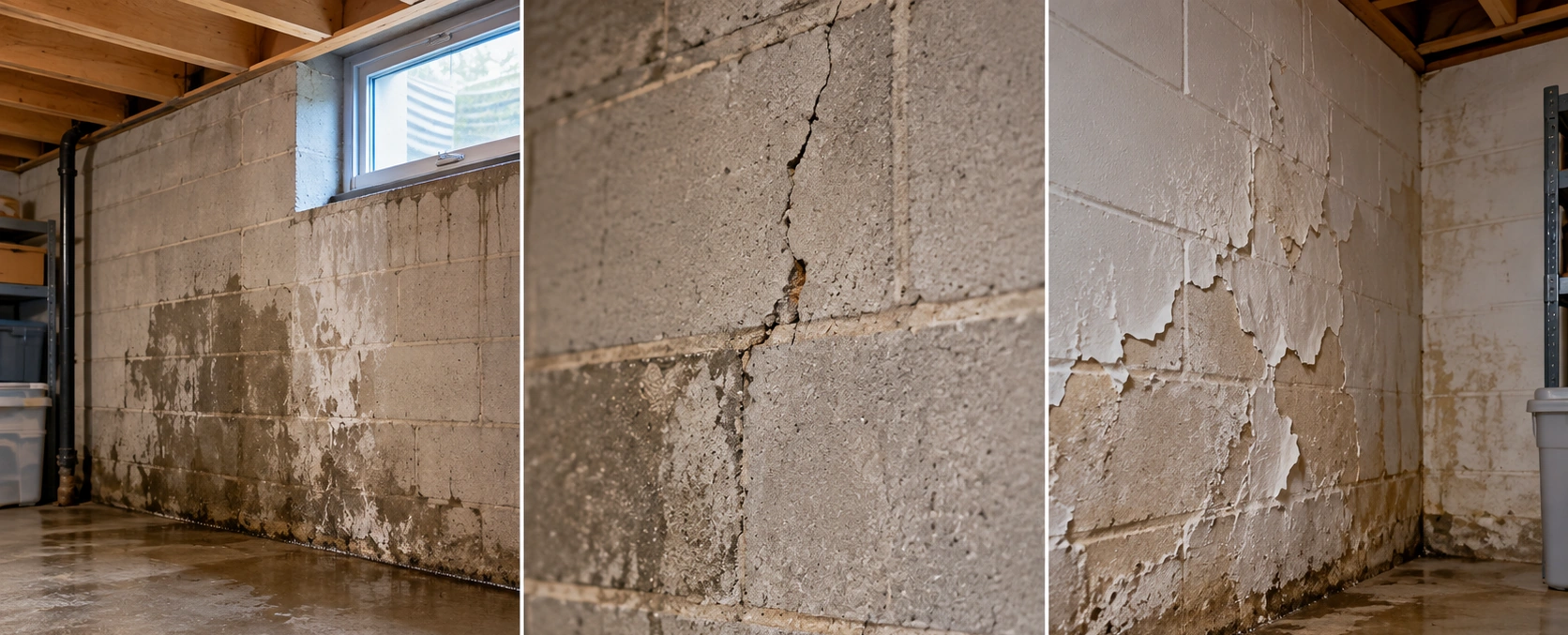
If you have noticed a damp corner, a faint musty smell, or a white chalky residue after a heavy rain, you may be wondering about the best sealant for interior basement walls. For many homeowners in Northeast Ohio, those small signs are the first hint that water is finding a way inside.
This problem is more common than many people realize because our region gives basements plenty of reasons to stay damp. Between clay-heavy soil, rapid spring thaws, lake-effect snow, and aging homes across Greater Cleveland, even a minor crack can become a repeat leak. In many neighborhoods, homes built between the 1940s and 1980s were never designed with today’s waterproofing expectations, which means moisture can show up year after year.
In this article, you will learn how to tell whether sealing your basement walls is enough, when a sealant is only part of the answer, and which solutions actually help homeowners in Northeast Ohio protect their homes for the long term. We will also show you when to call in a professional system, like the one offered by Ohio State Waterproofing, so you can make a confident decision for your home.
Key Takeaways
- The best sealant for interior basement walls can help with minor dampness, but it will not fix every leak or crack.
- If water keeps returning, the issue may be coming from drainage, pressure, or damage that needs Basement Waterproofing Services.
- Sealing alone is usually not enough for bowing walls, repeated seepage, or homes with older block foundations.
- The right solution depends on the cause, which is why a Multi-Step Basement Waterproofing System can be more effective than a quick patch.
- Watch for stains, peeling paint, musty odors, and recurring wet spots before the damage grows worse.
- A professional inspection can help you choose between sealing, drainage, repair, ventilation, or full waterproofing.
Why Northeast Ohio Homeowners Face This Problem
Northeast Ohio basements deal with a lot of moisture pressure throughout the year. Lake-effect snow, fast spring melt, and frequent rain can saturate the ground quickly, and that water often pushes toward your foundation instead of draining away. In older Greater Cleveland homes, that extra pressure can find its way through tiny wall cracks, mortar joints, or porous block walls.
In Northern Indiana and nearby areas of Southwest Michigan, the same pattern shows up in clay and loam soils that hold water and expand against foundation walls. Freeze-thaw cycles make the issue worse because trapped moisture expands when it freezes and widens cracks a little more each winter. Homes near the St. Joseph River, Elkhart River, and Kankakee River basins can also deal with higher water tables, which means the ground stays saturated longer after storms.
For homeowners in Greater Cleveland, Mishawaka, Goshen, Elkhart, and Nappanee, the age of the house matters too. Many basements were built decades ago with block or brick foundations that were not waterproofed the way homes are protected today. That is why the best sealant for interior basement walls may help in one home but fall short in another.
Common Causes of Interior Basement Wall Seepage
Before you buy any product, it helps to know what is actually causing the moisture. A good sealant can cover a minor issue, but it cannot stop every source of water.
- Small foundation cracks — Hairline cracks may let in water after storms or thaw cycles.
- Hydrostatic pressure — This is the pressure water builds up in the soil against your walls, and it can force moisture through concrete or block.
- Porous masonry — Some older walls absorb moisture like a sponge, especially in homes that were never waterproofed.
- Poor exterior drainage — When downspouts, grading, or soil slope send water toward the house, the wall stays damp.
- Failed patching or paint — Previous quick fixes may peel, trap moisture, or hide the real problem.
- Condensation — Cool basement walls can collect humidity from the air, making the area feel wet even without a major leak.
Warning Signs You Should Not Ignore
- White powder on the wall — This often means moisture is moving through masonry and leaving mineral deposits behind.
- Peeling paint or bubbling finish — Water is likely getting behind the coating.
- Musty smell — A damp odor usually points to hidden moisture or mildew.
- Wet or dark spots after rain — These show active seepage that may return with every storm.
- Hairline cracks that keep growing — Small cracks can turn into bigger entry points over time.
- Warped baseboards or damp carpet edges — Water may be reaching finished areas of the basement.
- Rust on metal items — Continued humidity or seepage can damage stored belongings and equipment.
Health and Structural Impact
Moisture in a basement is not just an appearance problem. It can affect the air your family breathes, and according to the EPA Indoor Air Quality guidelines, excess moisture can help mold grow and spread odors through the home.
It can also weaken finishes, damage stored belongings, and make foundation problems harder to ignore. If you keep repainting the wall without fixing the source, the same issue usually comes back.
| Symptom | Likely Cause | Recommended Action |
|---|---|---|
| White powder on wall | Moisture moving through concrete or block | Wipe the area dry and inspect for repeat dampness. If it returns after rain, consider Interior Basement Waterproofing. |
| Peeling paint | Water trapped behind the coating | Do not repaint until the cause is identified. A professional inspection can show whether sealing or drainage is needed. |
| Musty smell | Hidden moisture or mildew | Improve airflow and check for damp spots. If odors remain, ask about Basement Ventilation. |
| Crack with damp edge | Foundation movement or seepage | Mark the crack and watch for growth. If it widens, evaluate Foundation Repair. |
| Rust on stored items | Long-term humidity | Move items off the floor and reduce moisture exposure. Ventilation and waterproofing may be needed together. |
| Damp floor near wall | Water entering at the base of the foundation | Dry the area and check gutters, grading, and downspouts. A full interior system may be the better fix. |
Symptoms, Likely Causes and First Actions
Waterproofing Solutions That Work

Multi-Step Basement Waterproofing System
When seepage keeps coming back, a simple coating is usually not enough. The Multi-Step Basement Waterproofing System is designed for homes that need a more complete answer, not just a patch on the wall.
This approach is often the right choice when the source of water includes more than one problem, such as drainage, cracks, and wall moisture. It matters because the best sealant for interior basement walls can only do so much if the real issue is pressure from the soil or water entering from several points.
Interior Basement Waterproofing
Interior drainage helps capture water after it enters the basement and direct it away before it causes damage. This is often needed when outside water pressure is too high or when older walls need help managing recurring seepage.
For many homeowners, this is one of the most practical long-term answers because it addresses the source of the wet floor or wall moisture instead of just hiding stains. You can learn more about Interior Basement Waterproofing and how it helps keep a basement dry.
Foundation Repair with Stabl-Wall

If your walls are cracking, bowing, or showing signs of movement, sealing alone will not solve the problem. Stabl-Wall
System is used to support and stabilize walls that are under stress.This option is important when a foundation problem is structural, not just cosmetic. If you see wall movement or repeated cracking, a professional should check whether you need Foundation Repair along with waterproofing.
Crawl Space Waterproofing
If your home has a crawl space, moisture there can affect the whole house. A damp crawl space can create odors, attract mold, and raise humidity levels that eventually reach your basement or living space.
Crawl Space Waterproofing is often needed when moisture collects under the house or when the crawl space feels damp, earthy, or musty. It helps protect both air quality and the structure above it.
Basement Ventilation with EZ Breathe®
Sometimes the problem is not a visible leak but lingering humidity and poor air movement. EZ Breathe® Ventilation System helps move stale, damp air out and improve humidity control.
This solution is especially useful when the basement smells musty even after the wall has been sealed. Ventilation alone will not stop a foundation leak, but it can make a major difference in comfort and indoor air quality.
Total Excavation Basement Waterproofing
In severe cases, the best answer is to stop water from the outside before it reaches the wall at all. Total Excavation Basement Waterproofing may be needed when exterior drainage, soil conditions, or repeated failure make a deeper fix the safer choice.
This is usually considered when a home has major leakage, extensive damage, or repeated failures from other methods. It is not the first choice for every house, but for some homes it provides the most complete protection.
| Solution | Best For | Key Benefit |
|---|---|---|
| Multi-Step Basement Waterproofing System | Recurring seepage and multiple problem sources | Provides a more complete long-term fix |
| Interior Basement Waterproofing | Water entering at the wall or floor edge | Captures water and directs it away |
| Foundation Repair with Stabl-Wall
| Cracks, bowing walls, or structural movement | Helps stabilize damaged walls |
| Crawl Space Waterproofing | Damp crawl spaces and odors | Improves moisture control under the home |
| Basement Ventilation with EZ Breathe® | Humidity and stale air | Helps reduce odors and improve air quality |
| Total Excavation Basement Waterproofing | Severe exterior water intrusion | Stops water before it reaches the foundation |
Basement Waterproofing Solutions at a Glance
If you are unsure whether you need the best sealant for interior basement walls or something more complete, the safest next step is a professional inspection. A small issue can often be managed early, but waiting usually gives water more time to spread.
Schedule a FREE 20-point basement inspection with Ohio State Waterproofing today.
A Real Northeast Ohio Story
A family in Greater Cleveland noticed a damp smell in the basement after a stretch of spring rain. At first, they thought it was just old house odor, but then they saw peeling paint and a wet line along the wall.
After an inspection, the team found recurring seepage from multiple entry points, along with a crack that was allowing water in during heavy storms. The problem was not just the wall surface, so a quick coating would not have lasted.
The homeowner was given a plan that included Interior Basement Waterproofing and a Multi-Step Basement Waterproofing System, along with ventilation help to reduce the lingering musty smell. After the work was completed, the basement stayed dry and the home smelled fresher.
We finally feel comfortable using our basement again. The difference was immediate, and we are relieved to know the problem was actually fixed.
Is It Worth the Investment?
Acting early usually saves stress later because moisture problems tend to grow quietly. A small damp spot today can become damaged paint, ruined storage, mold growth, or structural repair tomorrow if the source is ignored.
The real value is not just avoiding repairs. It is knowing your basement is dry, your home feels healthier, and you are not fighting the same problem every season. Many homeowners who look for the best sealant for interior basement walls eventually discover that sealing, drainage, or repair work together gives them far better results.
| Intervention | When to Act | Value or Risk Avoided |
|---|---|---|
| Wall sealant | Minor dampness or early staining | Helps slow moisture while you identify the source |
| Interior drainage | Repeated seepage after rain or thaw | Reduces recurring water intrusion and floor damage |
| Foundation repair | Cracks, bowing, or wall movement | Helps prevent worsening structural damage |
| Ventilation | Musty smell or high humidity | Improves comfort and supports healthier air |
| Full waterproofing system | Ongoing leaks or multiple moisture sources | Provides long-term peace of mind and broader protection |
- Keep gutters clear and downspouts extended away from the foundation.
- Check for new stains or damp areas after heavy rain.
- Run a dehumidifier if the basement feels sticky or musty.
- Move stored items off the floor and away from walls.
- Watch cracks for changes in size or shape.
How Ohio State Waterproofing Works
- FREE 20-Point Inspection — A comprehensive, no-obligation assessment of the basement, foundation, crawl space, and grading.
- Diagnosis — The team identifies the intrusion type, severity, and root cause, and includes a free mold and air test.
- Custom Proposal — You receive a tailored mix of services matched to your home, using the patented Multi-Step System when needed.
- Installation — Certified, trained Ohio State Waterproofing technicians complete the work from the same Greater Cleveland team serving the community since 1978.
- Verification and Ongoing Support — Performance testing, a homeowner walkthrough, a maintenance plan, and a transferable lifetime warranty help protect your investment.
Schedule a FREE 20-point basement inspection with Ohio State Waterproofing today. It is a simple first step, and it can help you understand whether you need the best sealant for interior basement walls or a more complete repair plan.
Frequently Asked Questions
What is the best sealant for interior basement walls?
The best sealant for interior basement walls is the one matched to the actual problem, not just the wall surface. A good product may help with minor dampness, but it will not stop active seepage caused by pressure or cracks. If your wall gets wet after rain, the problem may be deeper than the finish on top. Start by checking for stains, peeling paint, or recurring damp spots, then look at Basement Waterproofing Services if the issue keeps returning.
Can I just paint over a damp basement wall?
You can, but painting over it usually does not solve the real issue. Moisture often comes back and can make the paint peel again, which costs you time and leaves the wall looking worse. The main reason it matters is that trapped moisture can also lead to odor and damage behind the finish. If you want a better first step, dry the area fully and watch it after the next storm.
Why does my basement wall get wet after heavy rain?
That usually means water is reaching the foundation through cracks, porous block, or weak drainage around the house. Heavy rain can create pressure in the soil and push water toward the wall instead of away from it. This is common in Northeast Ohio, especially around older homes and saturated ground. A good next step is to check your downspouts and then consider Interior Basement Waterproofing if the problem keeps happening.
Do I need basement wall sealant or a full waterproofing system?
If the wall only shows very light dampness, sealant may help as part of the solution. If you see repeated leaks, stains, cracks, or a musty smell, a full system is usually the better choice. That is because the best sealant for interior basement walls cannot correct drainage or structural issues by itself. A free inspection can help you tell the difference before the damage spreads.
How do I know if I have a crack that needs repair?
If a crack is growing, leaking, or paired with wall movement, it needs attention. Small cracks may start as cosmetic lines, but they can become paths for water or signs of pressure on the wall. The important thing is whether the crack changes after storms or freeze-thaw cycles. Mark the ends of the crack with pencil and check it again in a few weeks, then review Foundation Repair if it is active.
Can humidity alone cause a musty basement smell?
Yes, high humidity can create a musty smell even if you do not see a major leak. Moist air can settle in a basement, especially when airflow is poor and the space does not dry out well. This matters because odors often point to hidden moisture that can affect air quality over time. If the smell stays after cleaning, ask about EZ Breathe® Ventilation System and how it may help.
Take the First Step Toward a Dry, Safe Basement
Schedule a FREE 20-point basement inspection with Ohio State Waterproofing today.
With a transferable lifetime warranty, more than 30 years serving the same Northeast Ohio community, a free mold and air test included, and over 90,000 satisfied customers, you can move forward with confidence. The right answer is not guesswork; it is a clear plan for your home.
#BasementWaterproofing #NortheastOhio #GreaterCleveland #FoundationRepair #WetBasement #HomeProtection #OhioStateWaterproofing #NorthernIndiana