A
Alejo
Guest
- Thread Author
- #1
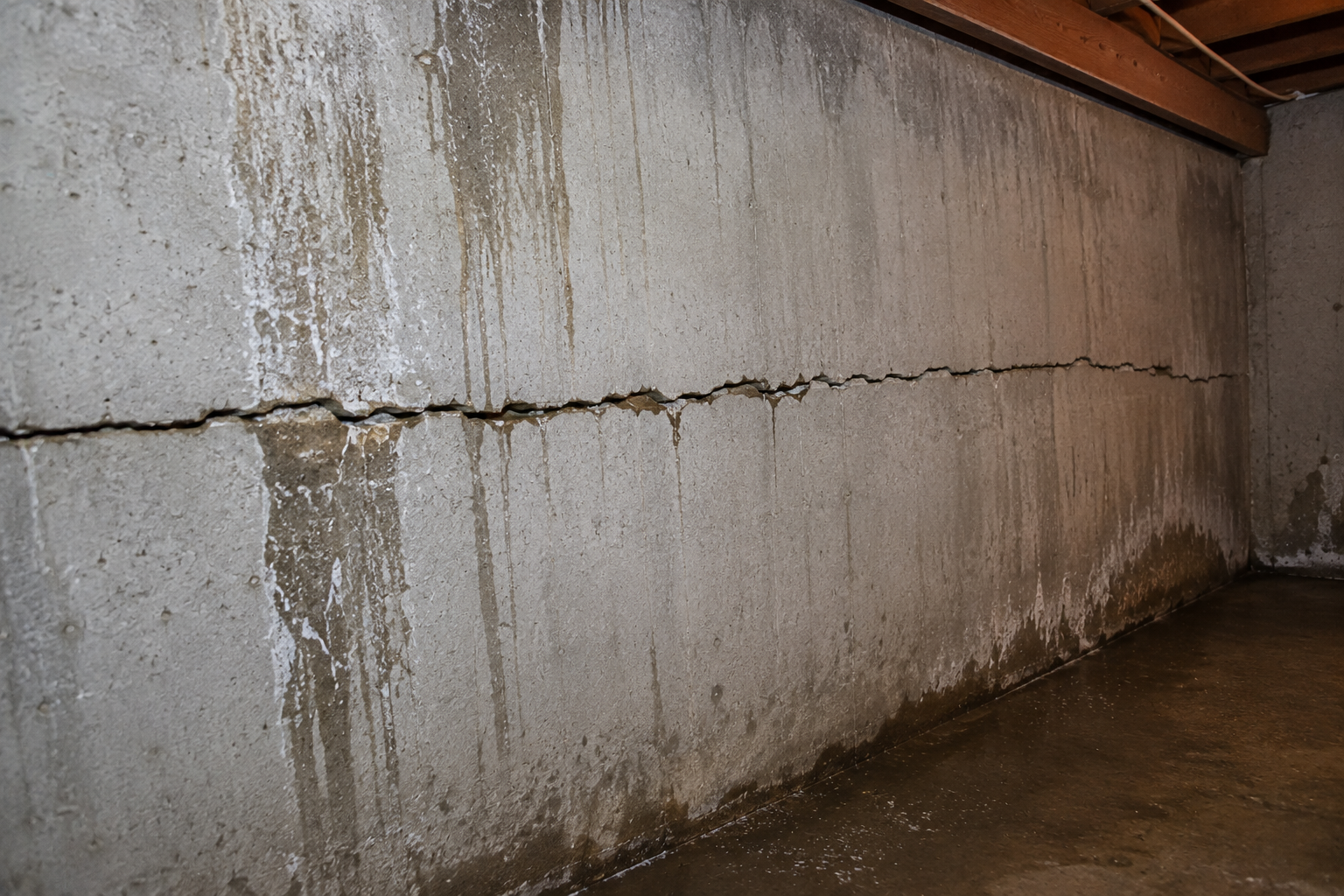
If you have noticed a crack on a basement wall, Horizontal vs. Vertical Foundation Cracks: Assessing the Danger is probably on your mind already. A crack can seem small at first, but the direction of it can tell you a lot about what is happening behind the wall.
In Northeast Ohio, that matters more than many homeowners realize. Freeze-thaw cycles, heavy snowmelt, spring rain, and older homes in Greater Cleveland can all put extra stress on foundations, especially in houses built decades ago with block or brick walls. Even when a crack looks harmless, it may be a sign that water pressure or shifting soil is pushing the wall in the wrong direction.
In this article, you will learn how to tell the difference between horizontal and vertical cracks, what the warning signs mean, when a crack is a real concern, and which repair options may fit your home. We will also walk through how Ohio State Waterproofing helps homeowners with trusted solutions, including Basement Waterproofing Services and repair options designed for local homes.
Key Takeaways
- Horizontal cracks often point to pressure on the wall and should be taken seriously, especially if the wall is bowing or shifting.
- Vertical cracks are not always an emergency, but they can still let in water and should be watched closely.
- Water, soil movement, and freeze-thaw cycles can make cracks worse over time in Northeast Ohio.
- Waterproofing and repair often work best together, especially when the problem includes leaks and structural stress.
- Ohio State Waterproofing offers a Multi-Step Basement Waterproofing System and Foundation Repair options for homes that need more than a simple patch.
- If you are unsure what you are seeing, a professional inspection can help you avoid larger damage later.
Why Northeast Ohio Homeowners Face This Problem
Homes in Northeast Ohio deal with weather that can be hard on concrete and block foundations. Heavy lake-effect snow, fast spring thaw, and repeated freezing and thawing can cause the soil around your home to expand, settle, and press against basement walls. That pressure can make a small crack grow, especially if water is also getting in.
Older housing stock across Greater Cleveland, as well as in nearby communities with many homes built between the 1940s and 1980s, often has foundations that were never designed with modern moisture control in mind. In places with clay and loam soils, the ground can hold water longer and push harder against the foundation after storms. When you combine that with freeze-thaw cycles, it becomes easier to see why Horizontal vs. Vertical Foundation Cracks: Assessing the Danger is such an important topic for Northeast Ohio homeowners.
Low-lying areas and neighborhoods with older drainage systems can see even more strain when spring water rises quickly and has nowhere to go. That is why homeowners in Greater Cleveland and surrounding counties should pay close attention to both the crack itself and the conditions around it. A crack may be the first visible clue that your foundation needs a closer look.
Common Causes of Foundation Cracks

Not every crack means the same thing. Some are caused by normal settling, while others are a sign of water pressure or structural stress. The direction of the crack is only one part of the story, but it is an important one.
- Soil pressure: Wet soil expands and pushes against basement walls. This extra force is often called hydrostatic pressure, which simply means water in the ground is pressing on the wall.
- Freeze-thaw cycles: Water in the soil freezes, expands, and then thaws, which can widen existing cracks over time.
- Poor drainage: If gutters, downspouts, or grading send water toward the house, the foundation can stay wet for too long.
- Normal settling: As a home ages, it may shift slightly. Small vertical cracks can sometimes come from this movement.
- Wall movement: If a wall is bowing in or out, the crack may be a sign that the wall is under stress and needs Foundation Repair.
- Missing waterproofing: In older homes, water problems often start because the basement was never properly protected with a complete system.
Warning Signs You Should Not Ignore
- A crack that is getting longer or wider over time. This often means the problem is still active.
- Water coming through the crack after rain or snowmelt. That suggests the wall is letting moisture in.
- A wall that looks bowed, bulged, or pushed inward. This can point to pressure on the foundation.
- Sticky doors or windows upstairs. That can mean the structure is shifting.
- White powder on basement walls. This is often efflorescence, which is a mineral deposit left behind when water moves through concrete.
- Moldy or musty smells in the basement. That usually means there is excess moisture in the home.
- Cracks near corners, windows, or the top of a block wall. These areas can be more vulnerable to movement.
Health and Structural Impact
Cracks are not just a cosmetic issue. When water enters through foundation cracks, it can lead to damp materials, mold growth, and poor indoor air quality. According to the EPA Indoor Air Quality guidelines, moisture problems inside the home can affect the air your family breathes and may worsen comfort and cleanliness.
Structural damage can also grow quietly. A crack that seems small today can become a bigger repair if the wall keeps moving or if water keeps getting in. That is why it is smart to address both the leak and the cause behind it.
| Symptom | Likely Cause | Recommended Action |
|---|---|---|
| Horizontal crack with bowing wall | Soil pressure against the foundation | Schedule a professional inspection and ask about Foundation Repair right away. |
| Vertical crack with damp edge | Normal settling or water seepage | Monitor the crack and improve drainage. If it leaks, consider Basement Waterproofing Services. |
| White powder on wall | Moisture moving through concrete | Wipe it away, then check for leaks and humidity problems. |
| Musty smell in basement | High humidity or hidden mold | Improve airflow and look into Basement Ventilation. |
| Crack that grows after storms | Water pressure and saturated soil | Keep water away from the home and consider a full waterproofing plan. |
| Spalling or crumbling block | Long-term moisture damage | Have the wall evaluated for both moisture entry and structural repair. |
Symptoms, Likely Causes and First Actions
Waterproofing Solutions That Work
Multi-Step Basement Waterproofing System
The Multi-Step Basement Waterproofing System is Ohio State Waterproofing’s signature solution for homes that need more than one fix. It is often the best choice when cracks, seepage, humidity, and drainage problems are happening together. This matters because one small change, like patching a crack, may not solve the bigger water issue around your home.
For many Northeast Ohio homeowners, the best results come from treating the full problem, not just the visible leak. That may include drainage, wall protection, and moisture control in one complete plan. It is especially useful when Horizontal vs. Vertical Foundation Cracks: Assessing the Danger involves both water entry and wall stress.
Interior Basement Waterproofing
Interior Basement Waterproofing helps capture water after it enters and move it safely out of the basement. This is often recommended when the basement has recurring seepage, damp floors, or water coming in through the wall-floor joint. It can be a smart option when the outside of the foundation is hard to reach or when the home needs a practical, long-term drain path inside.
Interior drainage does not remove the cause of wet soil outside, but it does protect the basement from the damage that water can create inside. For many homes, it works well as part of a larger waterproofing plan. When used correctly, it can help reduce the chance that cracks turn into repeated leak points.
Foundation Repair with Stabl-Wall

Stabl-Wall
System is used when foundation walls are cracking, bowing, or showing signs of movement. Wall bracing means adding support to help stabilize the wall, which is different from simply sealing a crack. In plain language, it helps hold the wall in place when pressure from the soil is making it move.This solution is especially important when a horizontal crack appears with inward wall movement. That combination can signal a stronger structural issue, not just a water problem. If you are seeing both, this is the time to ask about Foundation Repair.
Crawl Space Waterproofing
Crawl Space Waterproofing helps control moisture in low, hidden spaces under the home. A damp crawl space can feed humidity into the house, create odors, and make nearby foundation materials stay wet longer. That extra moisture can also add stress to the structure over time.
If your home has a crawl space, it is worth checking because water problems there often show up elsewhere in the house later. Encapsulation, which means sealing the crawl space to reduce outside moisture, can make a big difference. It is especially helpful in homes that feel damp even when the basement seems mostly dry.
Basement Ventilation with EZ Breathe®
EZ Breathe® Ventilation System is designed to improve air quality and control humidity. This can be helpful when a basement smells musty, feels damp, or shows signs of mold growth. Better air circulation helps keep moisture from lingering and reduces the conditions mold likes to grow in.
If your basement feels heavy or stale, ventilation may be part of the solution. It works best when paired with waterproofing, because lowering humidity helps protect the home after water issues are addressed. This is a simple way to support a drier, healthier basement environment.
Total Excavation Basement Waterproofing
Total Excavation Basement Waterproofing is used in severe cases where outside water control needs to be addressed at the source. This means digging around the outside foundation so protection can be installed on the exterior wall. It is often recommended when a home has persistent leaks or major drainage issues that cannot be solved from the inside alone.
Although it is a larger project, it can be the right answer when years of water have damaged the foundation. It is one more reason why Horizontal vs. Vertical Foundation Cracks: Assessing the Danger should be reviewed by a professional instead of guessed at from the basement floor.
| Solution | Best For | Key Benefit |
|---|---|---|
| Multi-Step Basement Waterproofing System | Homes with several moisture problems | Addresses water, drainage, and humidity together |
| Interior Basement Waterproofing | Recurring seepage or wet basement floors | Channels water away from the basement interior |
| Foundation Repair with Stabl-Wall
| Bowing walls or damaging horizontal cracks | Helps stabilize and support the wall |
| Crawl Space Waterproofing | Damp crawl spaces and hidden moisture | Reduces moisture under the home |
| Basement Ventilation with EZ Breathe® | Musty smells and high humidity | Improves air quality and comfort |
| Total Excavation Basement Waterproofing | Severe exterior drainage problems | Targets the source of water outside the foundation |
Basement Waterproofing Solutions at a Glance
If you are not sure which solution fits your home, a professional inspection can help point you in the right direction. The earlier you act, the easier it is to protect the structure and the space you use every day. Schedule a FREE 20-point basement inspection with Ohio State Waterproofing today.
A Real Northeast Ohio Story
A family in Greater Cleveland noticed a long crack in their basement wall after a wet spring and a hard freeze. At first, they thought it was just settling, but then water began to seep in after storms and the basement started to smell damp.
During the inspection, the problem turned out to be a mix of outside water pressure and a wall that was beginning to bow. The team recommended a combination of Multi-Step Basement Waterproofing System and Foundation Repair to address both the leak and the wall support.
After the work was completed, the basement stayed dry, the odor improved, and the homeowners felt confident using the space again. They also had peace of mind knowing the solution was built for their home, not just for the crack they could see.
We finally stopped worrying every time it rained. The basement is dry now, and we can actually use the space again.
Is It Worth the Investment?
Acting early usually saves you from bigger problems later. A small crack might be easier to address now, but if water keeps entering or the wall keeps shifting, the repair can become more involved. That is why the real value is not just in fixing the crack, but in avoiding mold, damaged belongings, and structural stress.
It also helps preserve the comfort and usefulness of your home. When you solve the problem early, you are less likely to face repeated cleanup, unpleasant odors, or stress every time it rains.
| Intervention | When to Act | Value or Risk Avoided |
|---|---|---|
| Minor crack monitoring | When the crack is small and dry | Helps you catch changes before they become costly |
| Interior waterproofing | When seepage or dampness returns after storms | Reduces water damage and basement cleanup |
| Foundation repair | When a wall is bowing or a crack is widening | Helps protect the structure from further movement |
| Ventilation or humidity control | When air feels damp or musty | Improves comfort and helps limit mold risk |
| Full waterproofing system | When multiple water problems keep returning | Creates longer-term protection and peace of mind |
Value Overview
- Check downspouts to make sure they carry water away from the house.
- Look for new stains, cracks, or musty smells after heavy rain.
- Keep basement storage off the floor when possible.
- Monitor existing cracks with a photo so you can compare changes over time.
- Keep gutters clean so melting snow and rain do not overflow near the foundation.
How Ohio State Waterproofing Works
- FREE 20-Point Inspection — A comprehensive, no-obligation assessment of your basement, foundation, crawl space, and grading helps identify what is happening around the home.
- Diagnosis — The team identifies the intrusion type, severity, and root cause, and includes a free mold and air test to better understand indoor moisture conditions.
- Custom Proposal — You receive a tailored mix of services matched to your home, often using the patented Multi-Step System when the situation calls for a complete solution.
- Installation — Certified, trained Ohio State Waterproofing technicians complete the work, serving the same Greater Cleveland community since 1978.
- Verification and Ongoing Support — Final performance checks, a homeowner walkthrough, a maintenance plan, and a transferable lifetime warranty help you feel confident long after the project is done.
Frequently Asked Questions
Are horizontal foundation cracks always dangerous?
No, but they should always be checked because they can point to pressure on the wall. Horizontal cracks are more concerning than many vertical ones because they often happen when soil is pushing inward. If you see one, look for bowing, water, or new movement right away. A good first step is to compare the crack over time and then review Foundation Repair.
What do vertical foundation cracks usually mean?
Vertical cracks often come from normal settling, but they can still let water into the basement. Many homeowners assume vertical means harmless, but that is not always true in Northeast Ohio homes with repeated freeze-thaw cycles. If the crack is damp or growing, it deserves attention. Start by checking drainage around your home and looking into Basement Waterproofing Services.
How can I tell if a crack is active?
An active crack is one that is getting wider, longer, or wetter over time. That matters because active movement can mean the wall or soil conditions are still changing. Take a dated photo today and compare it after the next heavy rain or thaw. If you notice change, ask for a professional inspection.
Can basement cracks lead to mold?
Yes, especially if water keeps entering through the crack and raising humidity. Moisture creates the kind of environment mold likes, and that can affect comfort and air quality in the home. You do not want to ignore a crack just because the leak looks small. Consider how Basement Ventilation may help support a drier space.
When should I worry about a basement crack in an older Northeast Ohio home?
You should worry if the crack is horizontal, leaking, bowing the wall, or changing quickly. Older homes in Greater Cleveland often have foundations that were not built with modern moisture control in mind. That means even a small crack can become a bigger issue faster than you expect. The safest move is to schedule an inspection before the next storm.
Can waterproofing help if I already have cracks?
Yes, waterproofing can help keep moisture from making the problem worse while repairs address the wall itself. In many homes, the best outcome comes from combining drainage, humidity control, and structural support. That is why a full plan often works better than a single patch. To see what your home may need, contact our team.
Take the First Step Toward a Dry, Safe Basement
Schedule a FREE 20-point basement inspection with Ohio State Waterproofing today. With a transferable lifetime warranty, a free mold and air test, and more than 90,000 satisfied customers served from the same Northeast Ohio community since 1978, you can move forward with confidence.
#BasementWaterproofing #NortheastOhio #GreaterCleveland #FoundationRepair #WetBasement #HomeProtection #OhioStateWaterproofing #BasementCracks